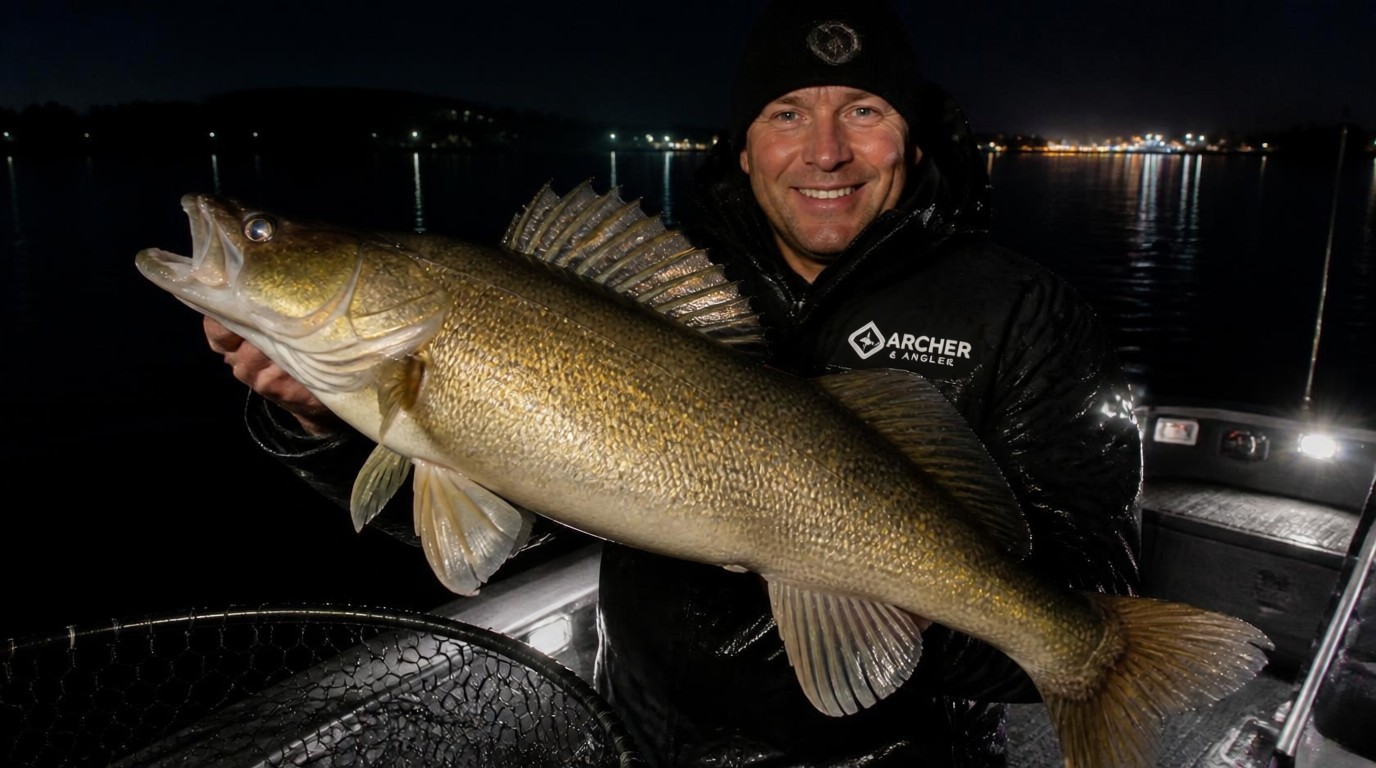
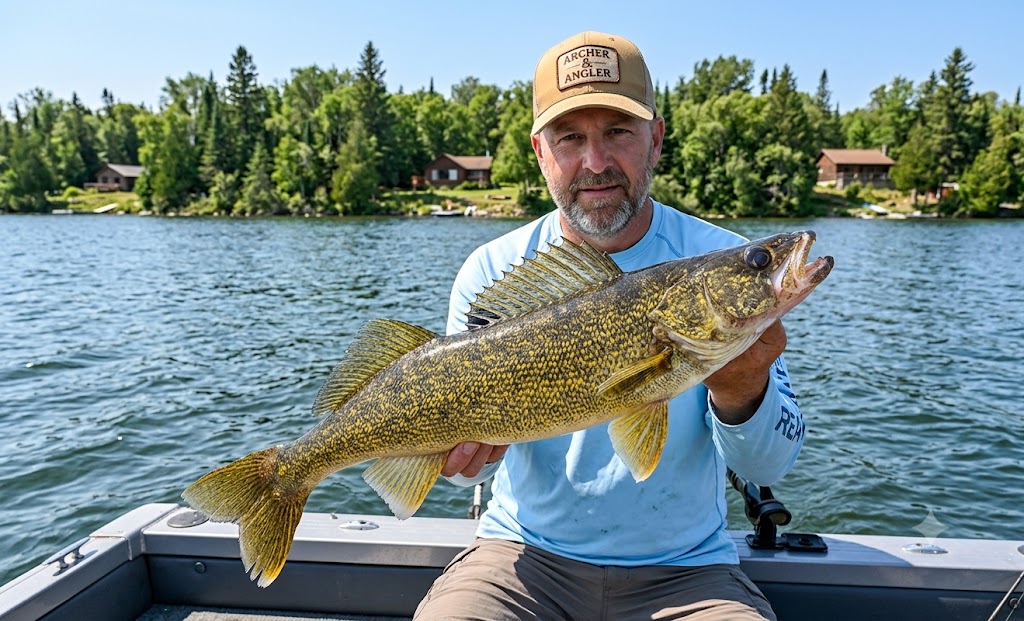
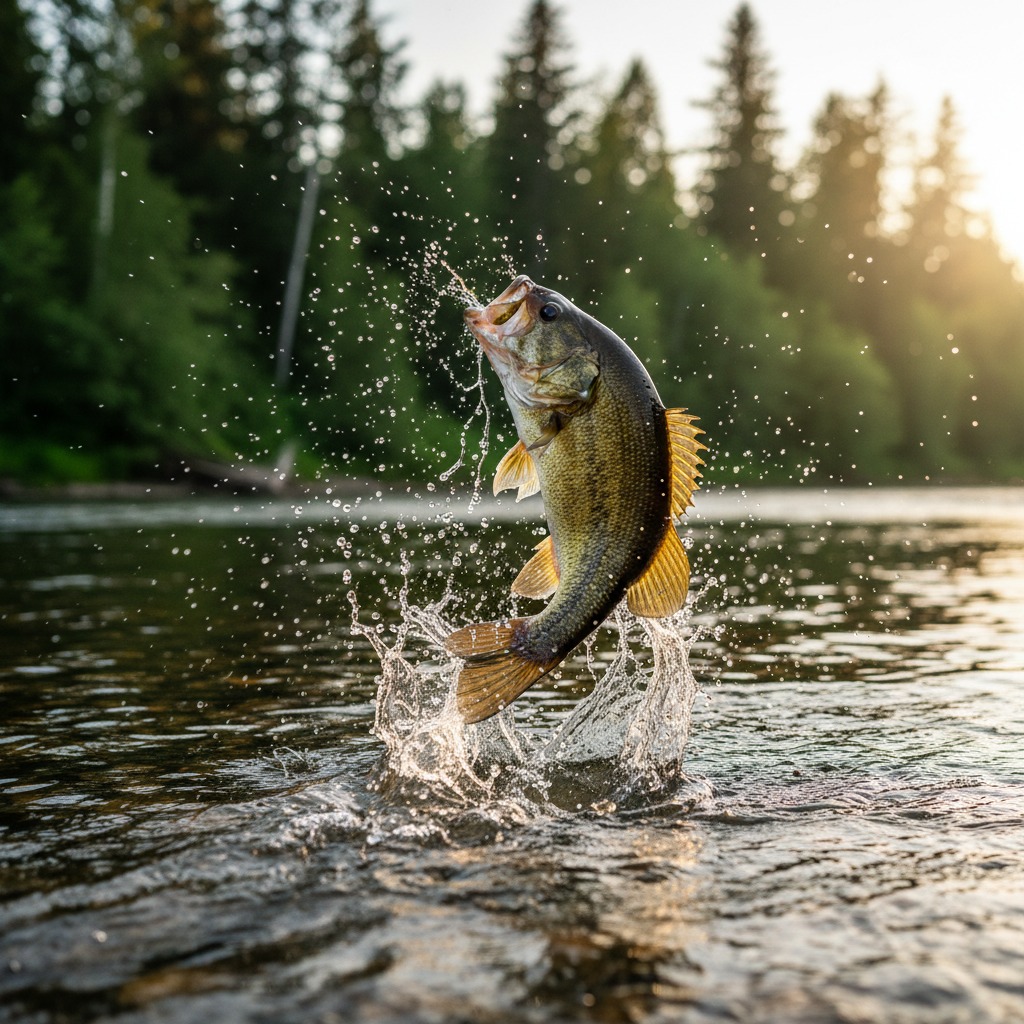
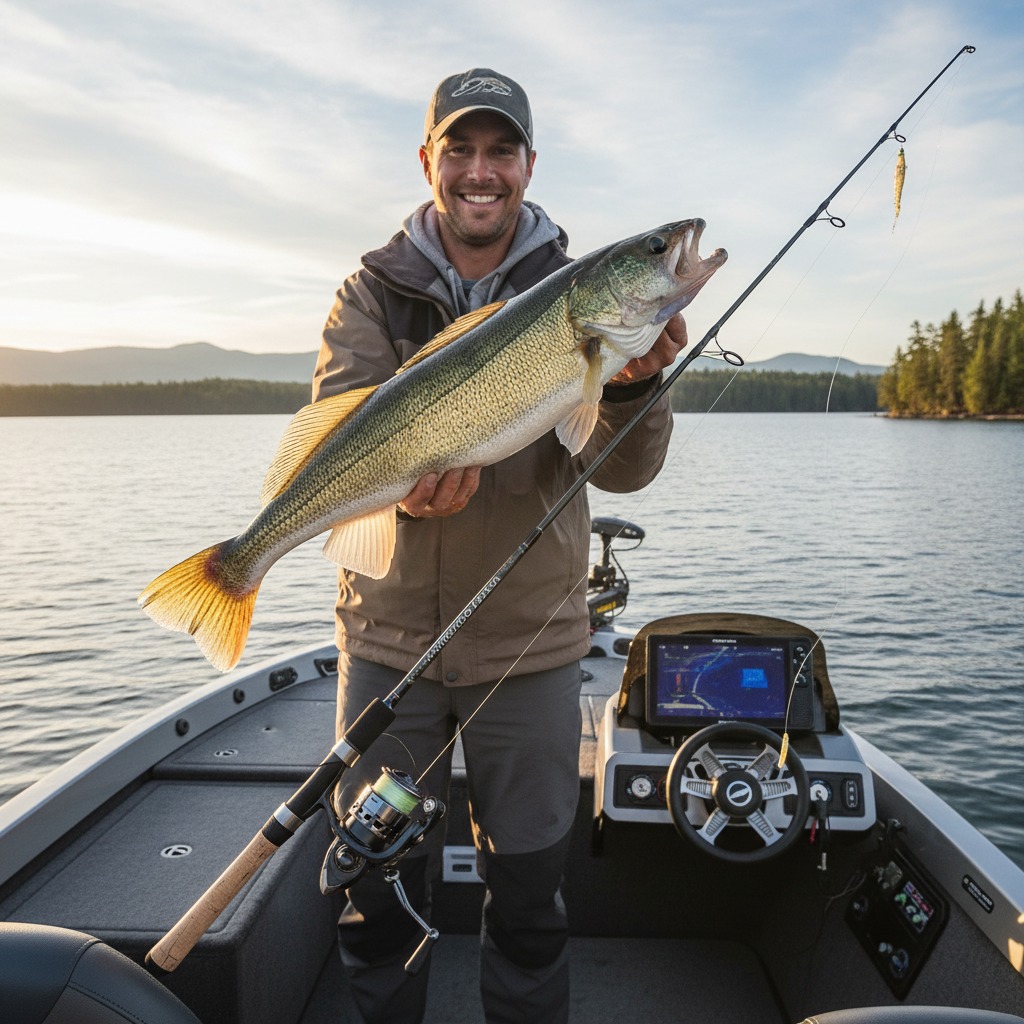
As water temperatures plummet into the 50s during September and October, trophy walleye enter a massive feeding frenzy. To build up energy reserves for the upcoming winter, giant females leave their subtle summer structures and move toward rocky points, island gaps, and shallow reefs to hunt large baitfish like ciscoes, gizzard shad, and yellow perch.
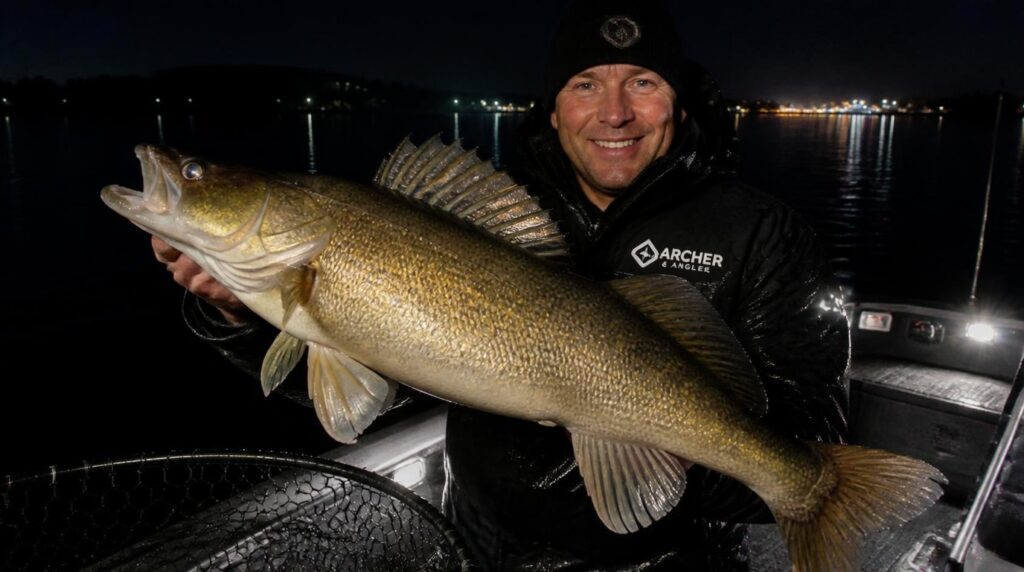
Some of the largest walleye of the entire year are caught during autumn after the sun goes down.
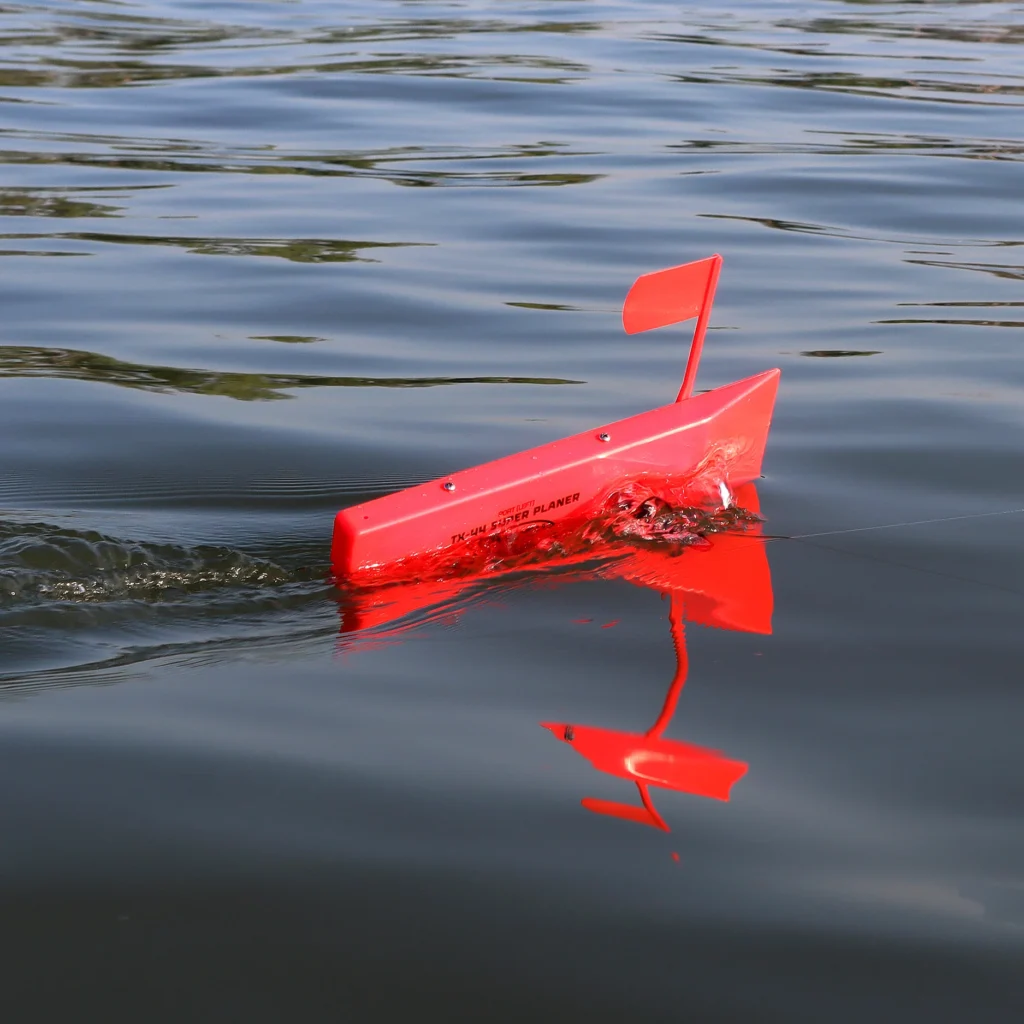
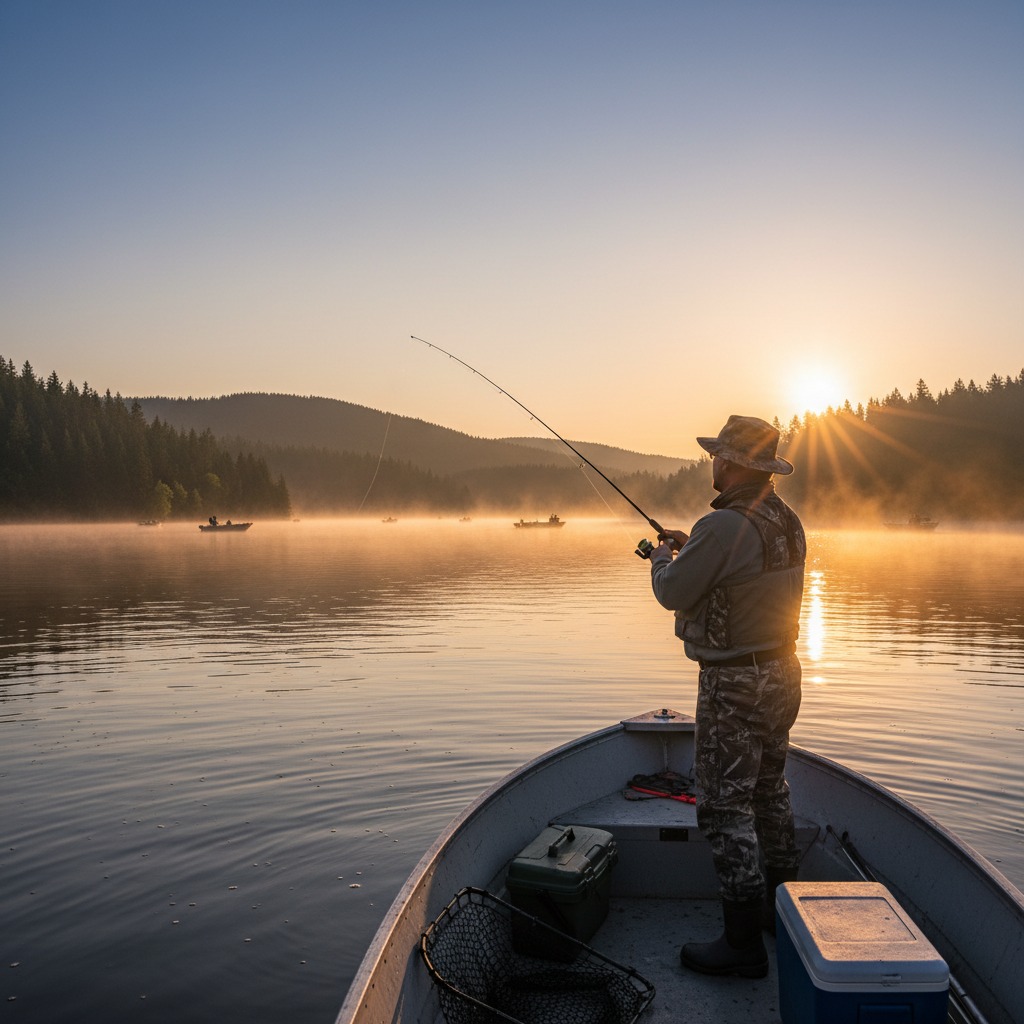
Trolling deep-bodied minnow plugs behind planer boards under a full moon is an exhilarating, highly effective way to land a wall-hanger. Here is your autumn night-trolling playbook.
1. Planer Boards: Staggering Your Attack
When giant walleye move into 8 to 15 feet of water at night to feed, your boat’s motor and hull footprint will spook fish holding directly in your path.
Using side-planer boards pulls your lures 50 to 100 feet out to the sides of the boat track, sweeping your crankbaits through undisturbed water right where feeding walleye are waiting.
In cold autumn water, walleye ignore tight, frantic lure vibrations. They want a slow, wide, rolling wobble that mimics an injured, oversized baitfish.
Troll at speeds between $1.1\text{ mph}$ and $1.5\text{ mph}$.
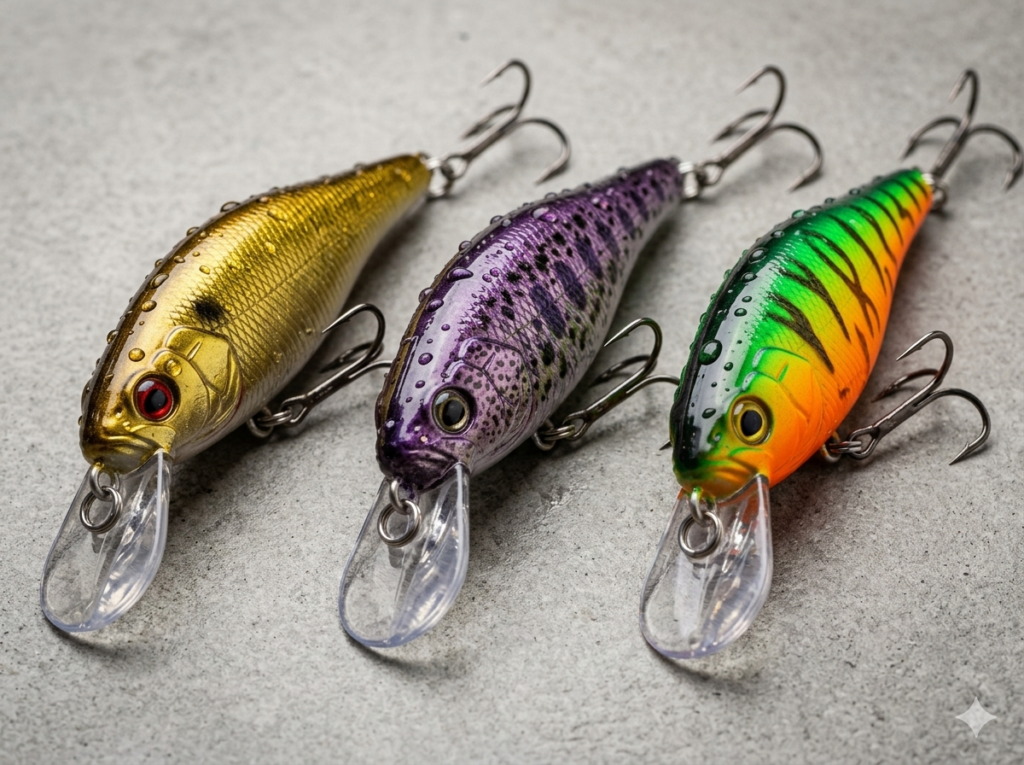
Top Night-Trolling Crankbaits:
Deep Minnow Profiles: Long-bodied crankbaits like Rapala Deep Husky Jerks, Berkley Hit Sticks, or Bandit Walleye Deep Divers.
Color Schemes: Dark silhouettes (like purple or black) stand out crisp against moonlit surface water, while metallic gold and chrome reflect ambient light.
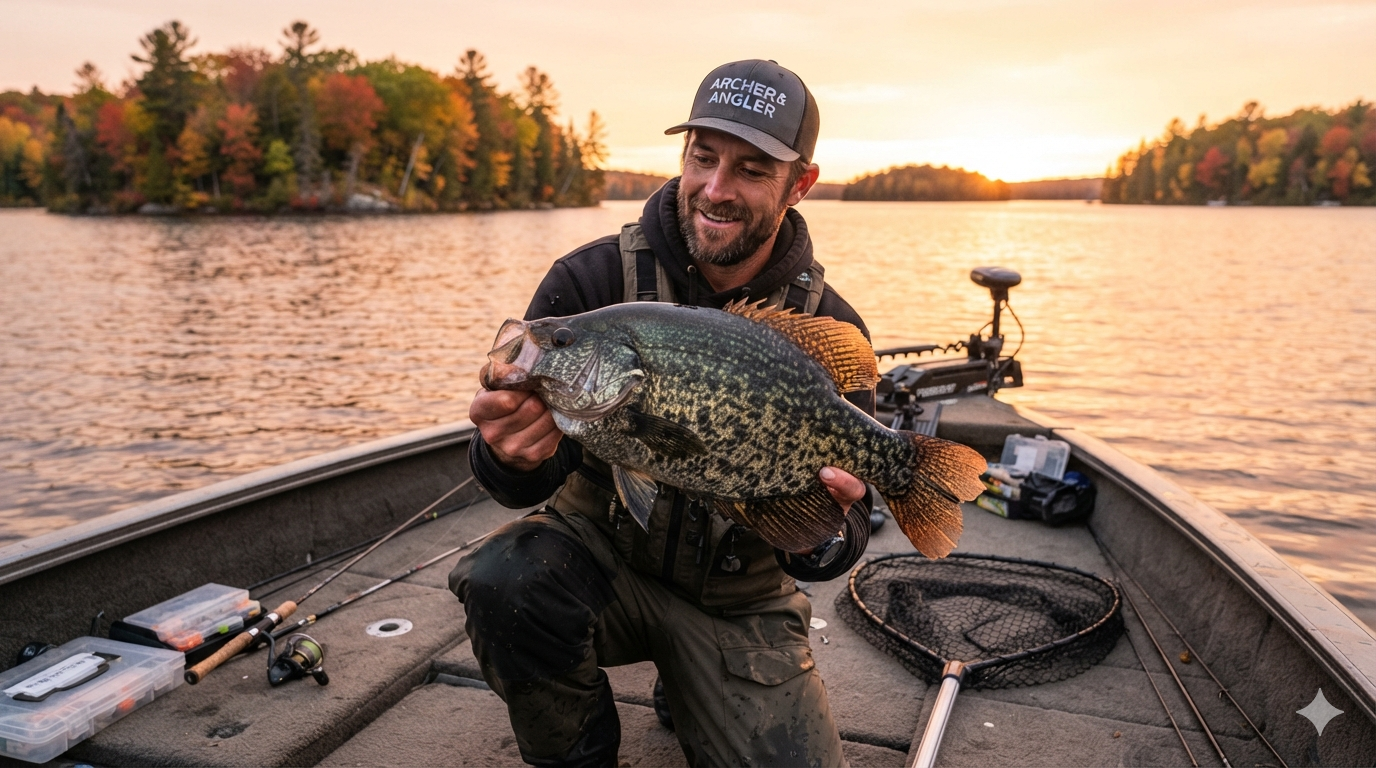
When late August rolls around and summer water temperatures begin their first steady drop, bluegill and bass aren’t the only fish undergoing major seasonal shifts. Panfish—specifically crappie—begin leaving their shallow summer weed cover to form massive, tightly packed schools out in open water basins.
If you continue casting small spinners along shoreline docks or shallow weed edges, your catch rate will plummet.
During the early fall transition, crappie shift their diet entirely toward young-of-the-year baitfish suspended in deep water. Catching them requires switching from visual shoreline bank-beating to electronic deep-water sniper tactics.
Here is how to locate and haul in autumn slab crappies when they make the open-water move.
1. Locate the Open Basin Thermocline
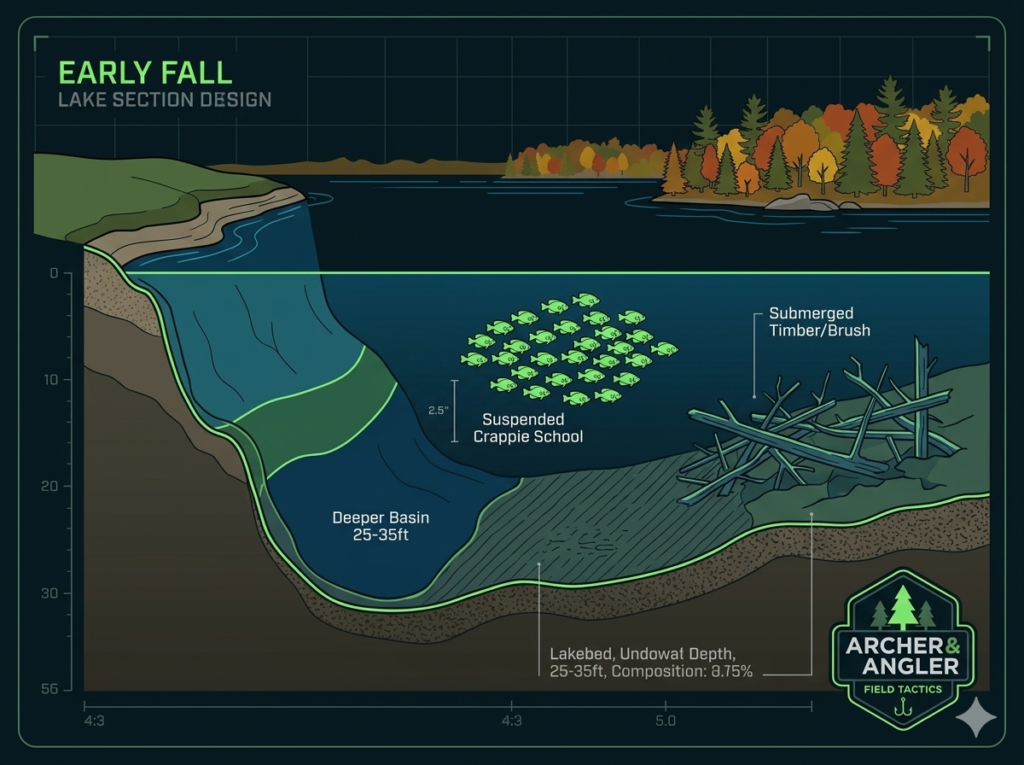
Early fall crappies don’t sit on the bottom. Instead, they suspend midway down in the water column over deep lake basins (typically 25 to 35 feet deep).
Use your fish finder to scan deep pockets adjacent to summer spawning bays. You are looking for dense, “cloud-like” clusters suspended anywhere from 10 to 18 feet below the surface.
Because crappies have upward-facing eyes, they almost always feed on baitfish swimming above them. If your bait drops even six inches below the school, they will ignore it completely.
The golden rule of early fall crappie fishing is to keep your bait 1 to 2 feet above the highest fish in the school.
The Setup:
The Line: Spool up with ultra-thin 4 lb test fluorocarbon or 6 lb yellow high-visibility braid tied to a fluorocarbon leader.
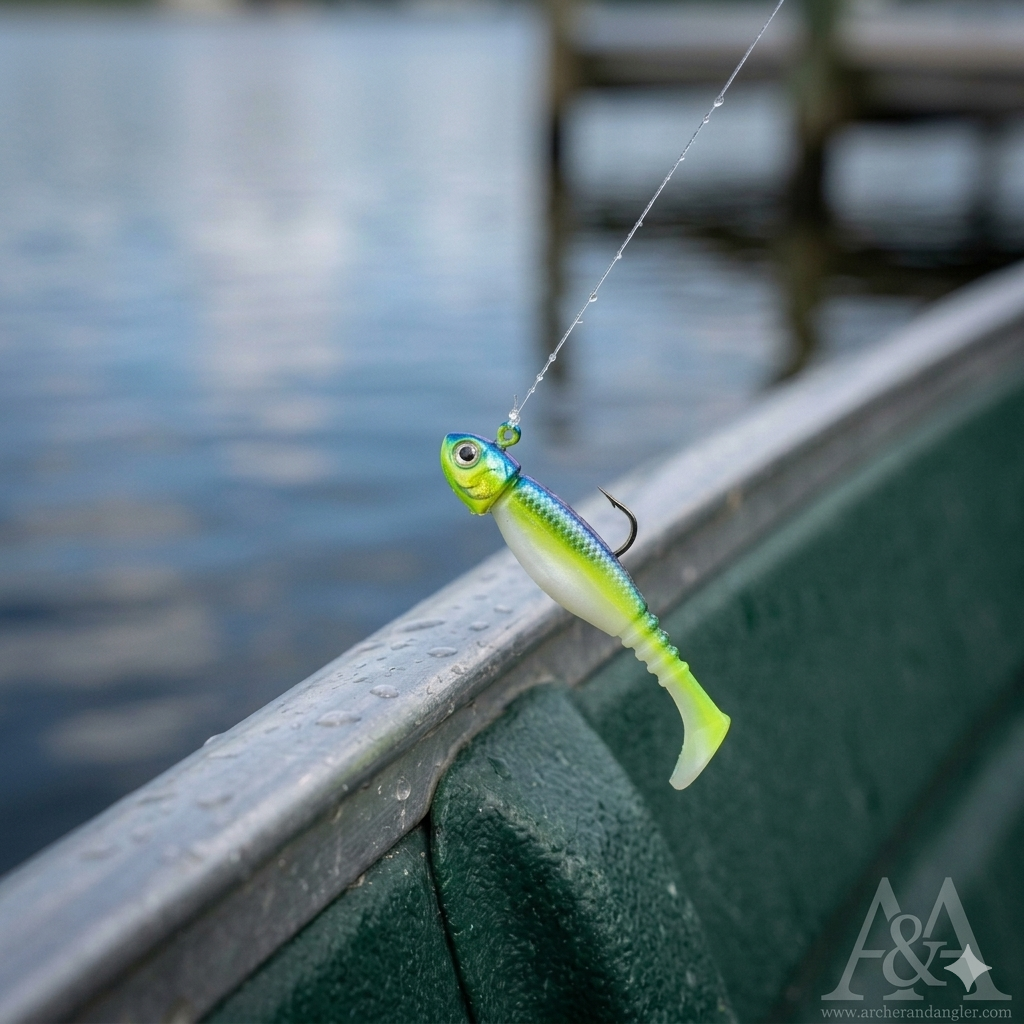
The Jig: A 1/16-oz or 1/32-oz tungsten jig head. Tungsten is denser than lead, allowing your small profile to drop fast and show up clearly on your sonar screen.
The Soft Plastic: 2-inch micro swimbaits or straight-tail minnow plastics in white, pink, or chartreuse.
When water temperatures drop, aggressive jigging will spook suspended panfish. Once you lower your jig directly above the school, hold your rod tip completely still.
Allow the natural motion of the boat’s drift or slight wrist tremors to impart a subtle, lifelike quiver to the plastic tail. When a slab commits, you won’t feel a heavy strike—your line will simply go slack or feel light as the crappie lifts the bait upward.
Going Deep for Lakers: Mastering Mid-Summer Lake Trout Trolling
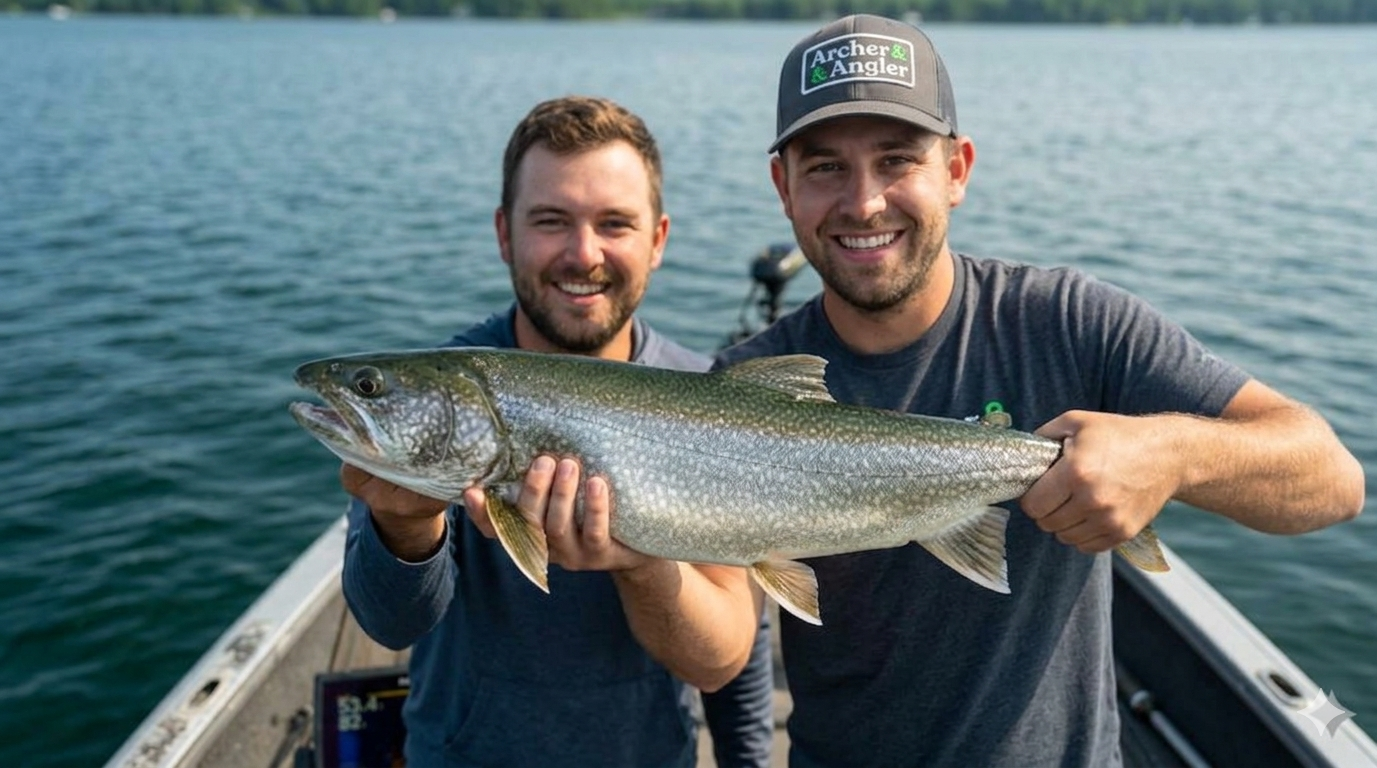
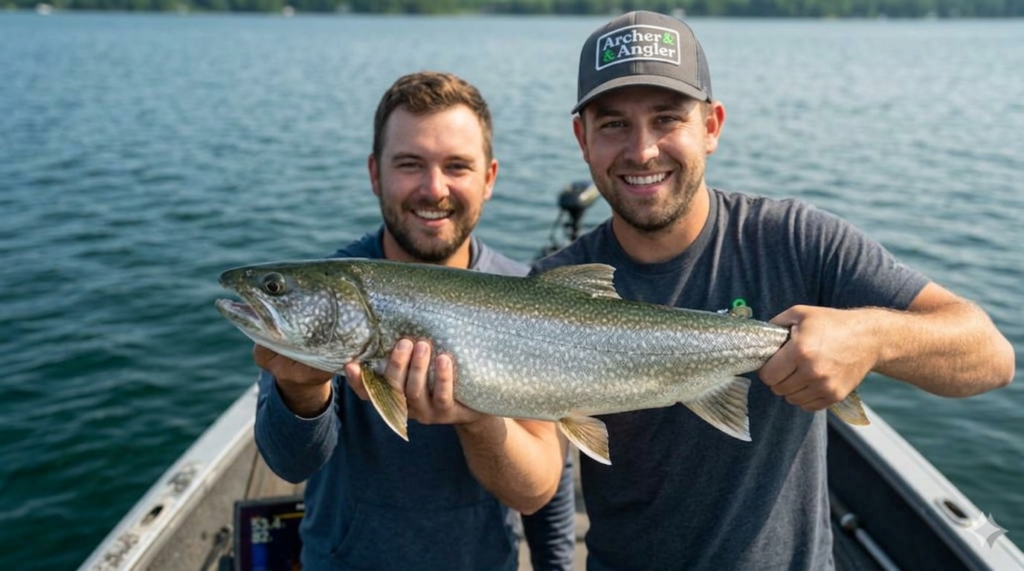
While other sportfish slow down in August, Ontario’s deep-water lake trout fishery enters its absolute prime. Lake trout prefer a highly specific, cold water column environment—ideally holding right around 53 F. By late summer, that temperature band sits way down in the depths, typically between 60 and 100 feet deep over central lake plateaus.
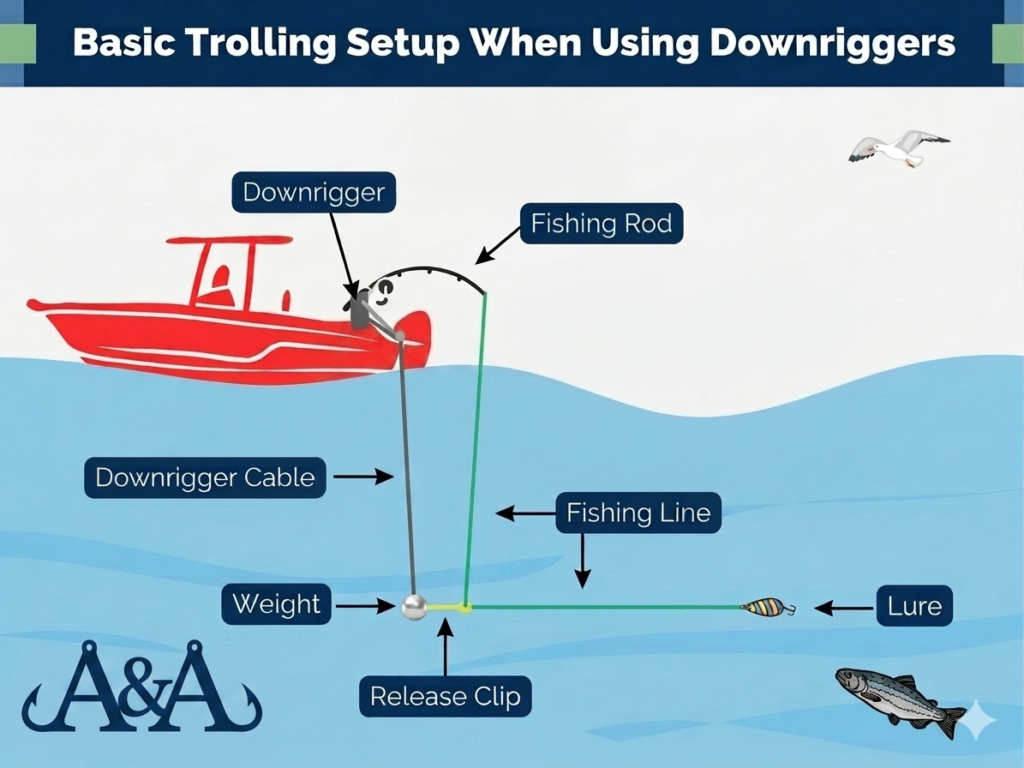
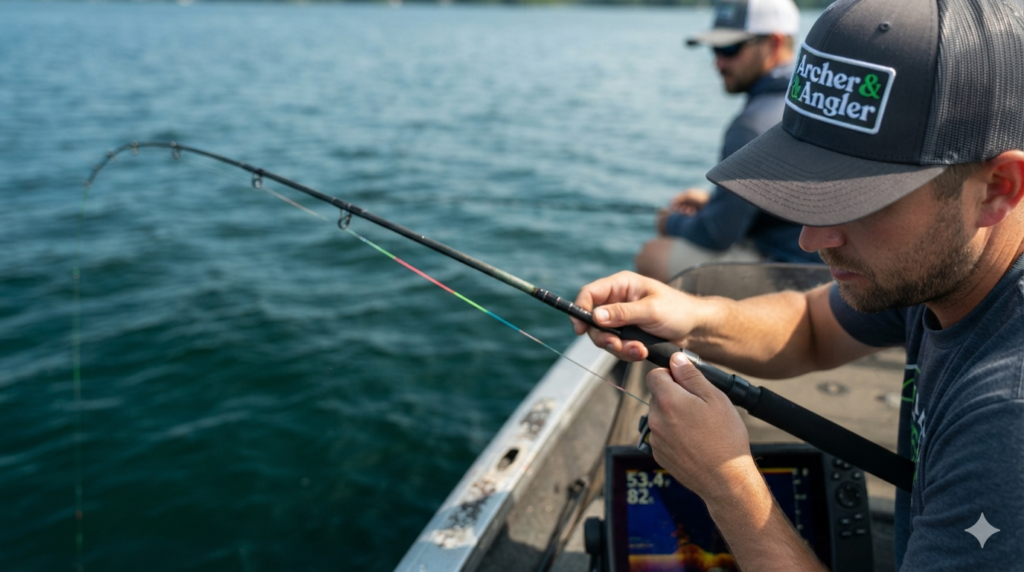
To catch them, you have to play the deep-water trolling game. This requires specialized gear designed to deliver your lures down into the abyss without letting the water drag your line straight back to the surface.
1. The Heavy Steel Solution: Wire and Lead Core Lines
If you do not own expensive downriggers, you can achieve deep-water dominance by spooling your line up with Lead Core Line or heavy Braided Stainless Steel Wire Line.
Lead Core: This weighted nylon line sinks at a predictable rate of roughly 5 feet of depth for every 30 feet of line deployed at a trolling speed of 1.5 mph. Running “10 colors” out puts your lure exactly at the 50-foot mark.
Steel Wire: Wire sinks fast and slices clean through water resistance, allowing you to reach deep basins with far less line out back behind the boat.
2. The Presentation: Lazy Wobbles and Flashers
Lakers down in the dark depths are highly visual predators. You need a setup that combines massive light reflection with a slow, wide swimming action.
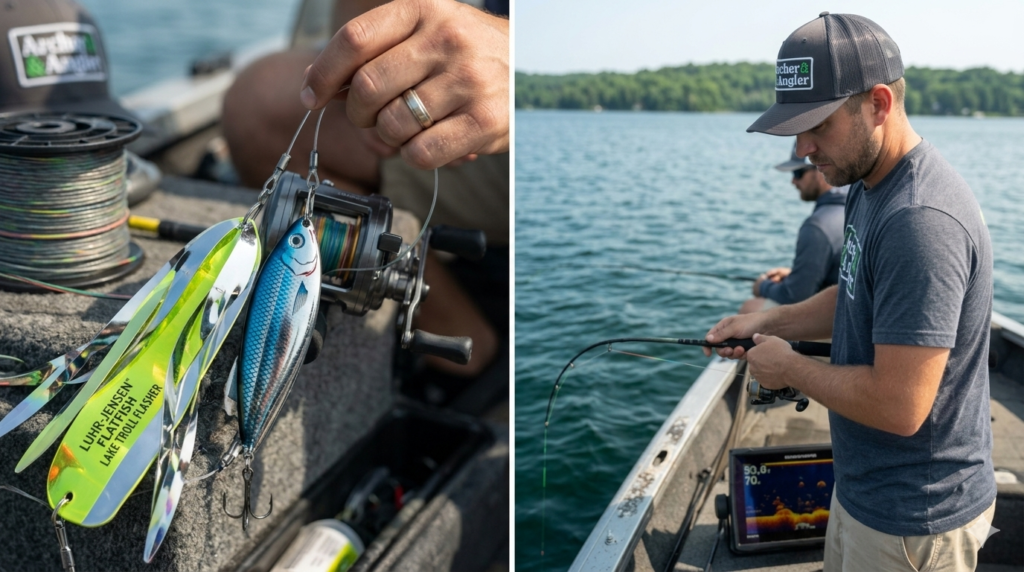
The Attractor: Run a massive 8-inch chrome or chartreuse lake troll flasher string.
The Bait: Behind the flasher, attach a 3-foot fluorocarbon leader tied to a lazy-action lure like a Luhr-Jensen Flatfish or an original Williams Wabler spoon. Trolled slowly at 1.2 to 1.8 mph, this combo creates a massive pulsing vibration that draws lakers in from fifty feet away.
Deep Weed-Edge Pike: How to Catch Monster Northerns in Mid-Summer
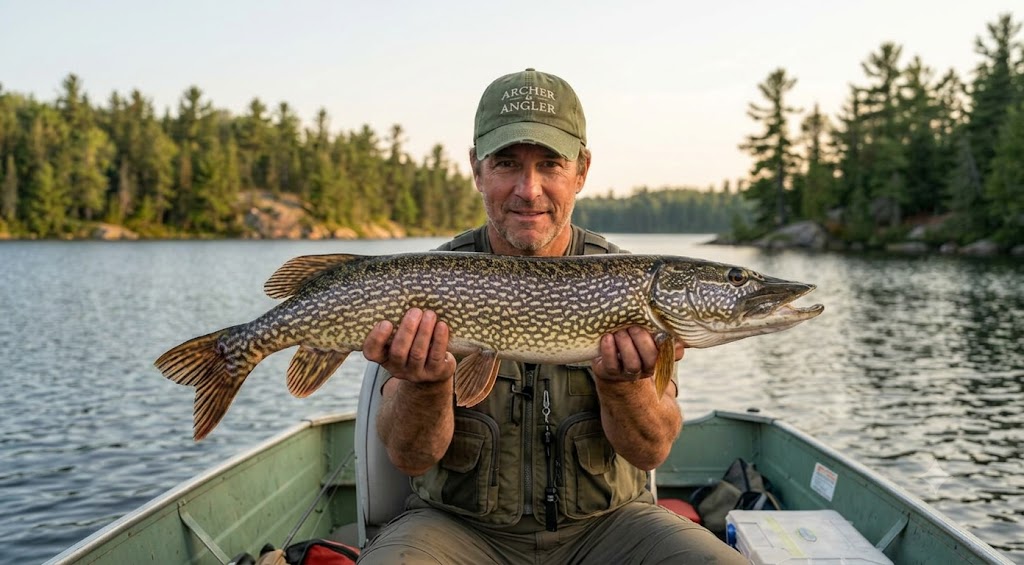
When the water temperatures climb in mid-July, the easy spring pike bite in the shallow bays disappears completely. Most casual anglers assume the northern pike have gone dormant, but they’ve simply relocated.
Big pike are cold-water predators. To survive the heat, they back out to deep-water structures—specifically cabbage weed lines and steep drop-offs adjacent to deep water basin boundaries in 15 to 25 feet of water.
If you want to pull a real lake monster out of the depths this summer, you need to step away from the shoreline and fish the deep vertical edges. Here is your mid-summer blueprint.
1. Locate the “Gator” Real Estate
Look for deep, healthy green cabbage weed beds. Brown, dying weeds lack oxygen and repel fish, but crisp green cabbage provides the perfect temperature break, a massive oxygen canopy, and an ambush point for passing baitfish. Use your electronics to find where the outside edge of these weed walls drop sharply into open, cool water.
2. The Presentation: Heavy Power Fishing
To get deep into the thick cabbage without fouling your hooks constantly, you need heavy, weedless power presentations that emit massive vibration.
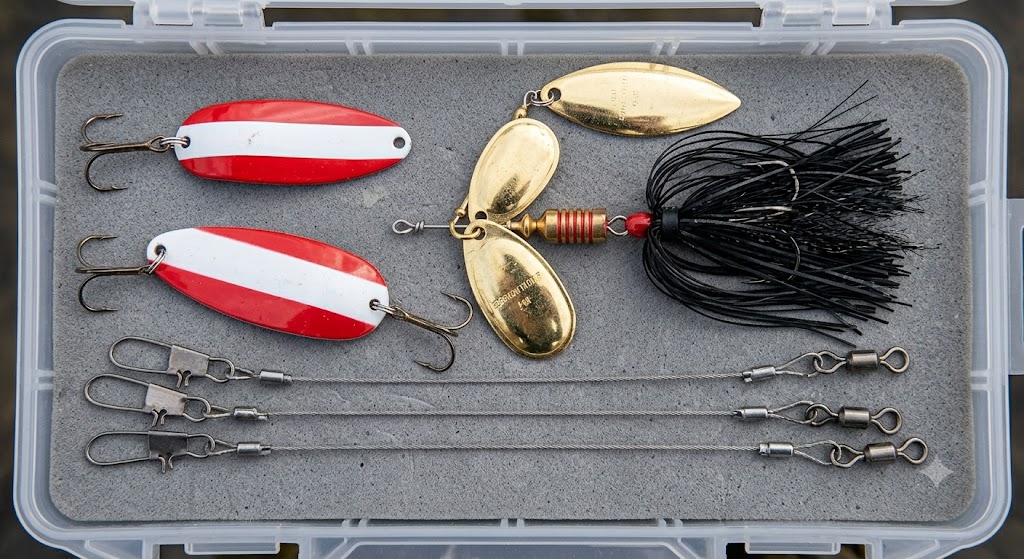
In-Line Spinnerbaits: Massive double-willow blade spinnerbaits or heavy bucktails thrown parallel right down the face of the weed wall.
Deep Diving Spoons: Classic heavy casting spoons like the Eppinger Dardevle or Williams Wabler let you count the lure down to the deep weed roots before initiating a sweeping, irregular retrieve.
We have all been there. The early morning walleye bite was incredible, but the moment the sun tops the treeline and turns into a bright, bluebird sky, the action dies. By noon, the lake feels like a desert, and most boats pack it up and head back to the cabin.
It is a common myth that walleye stop feeding when the sun is bright. Because walleye possess highly sensitive, light-gathering eyes, they simply loathe the intense glare of a mid-day sky. They don’t stop eating; they just retreat deep into thick weed lines or slide down into deep, dark bottom transitions where the sun cannot penetrate.
If you know how to hunt them in the dark zones, you can have the entire lake to yourself and catch your biggest fish of the day while everyone else is eating lunch.
1. Target the Windward Mud Flats
If there is a steady summer breeze blowing across the lake, look at your map and locate deep mud flats (22 to 30 feet) where the wind is pushing directly against the structure. The waves mix up the sediment, creating a natural, cloudy canopy underwater that shields the walleye’s sensitive eyes while disorienting baitfish.
2. The Tactic: Heavy Bottom Bouncers and Spinner Rigs
To get down to these deep, sun-evading fish, you need to use heavy-duty bottom bouncers (2 oz to 3 oz) paired with a crawler harness.
The Action: Troll at a slow crawl (0.8 to 1.2 mph). Let the heavy lead weight drag continuously along the mud bottom, kicking up little puffs of debris.
The Rig: Use a two-hook harness tipped with a massive, live nightcrawler. Choose metallic blades (gold or copper) that flash cleanly down in the darkness to mimic a fleeing perch.
The frantic action of the shallow-water spring bass opener is officially in the rearview mirror. As summer heat settles into Ontario, the massive schools of aggressive smallmouth that were guarding spawning flats just a few weeks ago have vanished.
If you are still beating the shorelines, throwing loud crankbaits into the shallows, you are likely casting at empty water.
When water temperatures climb, smallmouth bass undergo a major seasonal transition. They back off the banks and head for deeper, cooler, offshore structures—specifically rocky shoals, underwater reefs, and deep mid-lake humps. Locating these hidden sanctuaries and adapting your presentation is the secret to unlocking world-class summer bass action.
Here is the tactical blueprint to find and catch pressured summer smallmouth when they make the deep island move.
1. Map the Transition: Finding the Humps
You cannot catch deep summer smallmouth without your electronics. Leave the shoreline behind and idle out to deep water structures that sit adjacent to the spring spawning bays.
Look for underwater rock shoals that crest at 10 to 15 feet of water but drop off sharply into 30 or 40 feet of deep water. Smallmouth love these structural “islands” because they can easily move up to the top of the shoal to feast on crayfish and emerald shiners when the light is low, then slide down into the cool, dark depths when the midday sun gets brutal.
2. The Presentation: Downsize and Hold Tight
Once your sonar lights up with fish hovering over a deep rock pile, aggressive power-fishing tactics will usually spook them. These fish see incredible pressure all summer. To trigger a bite, you need ultra-finesse tactics.
The Tube Jig: The absolute king of Ontario smallmouth fishing. Use a 1/4 oz internal jig head slipped into a 3.5-inch salt-impregnated tube in green pumpkin or watermelon. Drag it slowly across the rocks, mimicking a crawling crayfish.
The Drop Shot: When bass are holding tightly suspended just 6 inches off the bottom structure, a drop shot keeps your bait floating directly in their vision matrix indefinitely.
Don’t let the mid-summer heat scare you off the water. Trust your sonar, find the deepest, nastiest rock pile around, and fish it with slow, weightless patience.
There is nothing quite like the anticipation of the Ontario walleye opener. Whether you are launching into the shifting currents of the French River, scanning the structure of Lake Nipissing, or working a classic shield lake, early-season walleye fishing is a tradition burned into the DNA of northern anglers.
But early season comes with a distinct set of rules. The water is cold, the fish are coming off their spring spawn, and their metabolisms are running slow. If you pull up to your summer spots and burn through the water with aggressive presentations, you are going to go home with an empty livewell.
To consistently string up heavily golden targets in May and early June, you need to match the sluggish mood of the fish.
Here are the three proven tactical pillars—jigging, trolling, and drop shotting—you need to master to dominate Ontario’s cold-water opener this season.
1. Vertical Jigging: The Ultimate Cold-Water Baseline
When walleye are stacked tight on structural breaks, river mouths, or rocky points in 10 to 20 feet of water, nothing beats a classic vertical jig. It is the most precise way to keep your bait directly in the strike zone of a sluggish fish.
The Technique
The golden rule of early-season jigging is simple: slow down. You aren’t snap-jigging for aggressive mid-summer fish. Instead, use a subtle lift-and-drop motion, raising your rod tip only 6 to 12 inches before letting the jig fall back down on a taut line.
Walleye will almost always hit the bait on the drop. If your line goes slack or feels slightly heavy when you lift, set the hook instantly.
The Gear Setup
The Bait: A 1/4 oz or 3/8 oz round-ball jig head tipped with a live, local minnow or a high-scent 3-inch paddle tail.
Colors: In stained or classic tea-colored Ontario waters, bright colors reign supreme. Reach for chartreuse, lime green, bright orange, or two-tone pink and white.
2. Flat-Line Trolling: Covering Water to Find Transitioning Fish
Early-season walleye don’t stay in one place for long. As they transition away from their spawning grounds toward summer structures, flat-line trolling is the absolute best way to cover massive flats and locate scattered schools of fish.
The Technique
Leave the bottom-bouncers and heavy lead core lines in the locker for now. In the early season, walleye often move into remarkably shallow water—sometimes as shallow as 4 to 8 feet—to soak up the sun on dark mud flats or rocky shorelines.
Target a trolling speed between 1.0 mph and 1.5 mph. Trolling this slowly allows your crankbaits to work with a lazy, wide wobble that mimics a dying baitfish, which is exactly what a cold-water walleye wants to see. Long-lining your baits 75 to 100 feet behind the boat ensures you won’t spook fish in the shallows.
The Gear Setup
The Bait: Slender, shallow-running minnow baits with a subtle action.
3. The Drop Shot: Pro-Level Precision for Pressured Structure
While drop shotting is traditionally viewed as a deep-water bass tactic, it has quietly become an elite weapon for finicky Ontario walleye—especially on high-pressure lakes where fish see hundreds of jigs every weekend.
The Technique
The beauty of the drop shot is isolation. Because your weight sits on the bottom and your hook is tied directly to the line 12 to 18 inches above it, your bait suspends completely weightless right in front of the walleye’s nose.
Cast out to a structural drop-off, let the weight pin the bottom, and hold your rod completely still. Let the natural movement of the water waves do the work. When a walleye inhales the suspended bait, you won’t feel a violent thump—your rod tip will simply load up smoothly.
The Gear Setup
The Rig: A size 1 or 2 hook tied with a Palomar knot, paired with a 1/4 oz teardrop tungsten weight.
The Early-Season Playbook: Putting it All Together
When you head out onto the water this weekend, start your morning by trolling the shallow flats near spawning rivers or back bays to locate where the active fish are holding.
Once your fish finder lights up or you hook a couple of scattered fish, drop your anchor or lock your trolling motor into place. Switch over to a vertical jig to systematically pull fish out of the core school. If the bite slows down or the sun gets high and the fish turn finicky, tie on a drop shot to tease the remaining stubborn walleye into biting.
By adapting your tactics to the water temperature and utilizing these three presentations, you’ll secure a world-class shore lunch before the afternoon warms up.
Need to gear up for opener? Check out the latest tournament-grade rods and cold-water setups at Cabela’s or find your favorite terminal tackle packages on Amazon.
Want more tactical outdoor breakdowns? Head back to our main index or explore our dedicated Hunting Guides to stay dialed into the field all season long.